Dental Treatment Recovery: How Plano Practices Book 28%
Plano dental practices lose $400K yearly to accepted treatment plans that never get scheduled. AI recovery automation brings patients back without new staff.
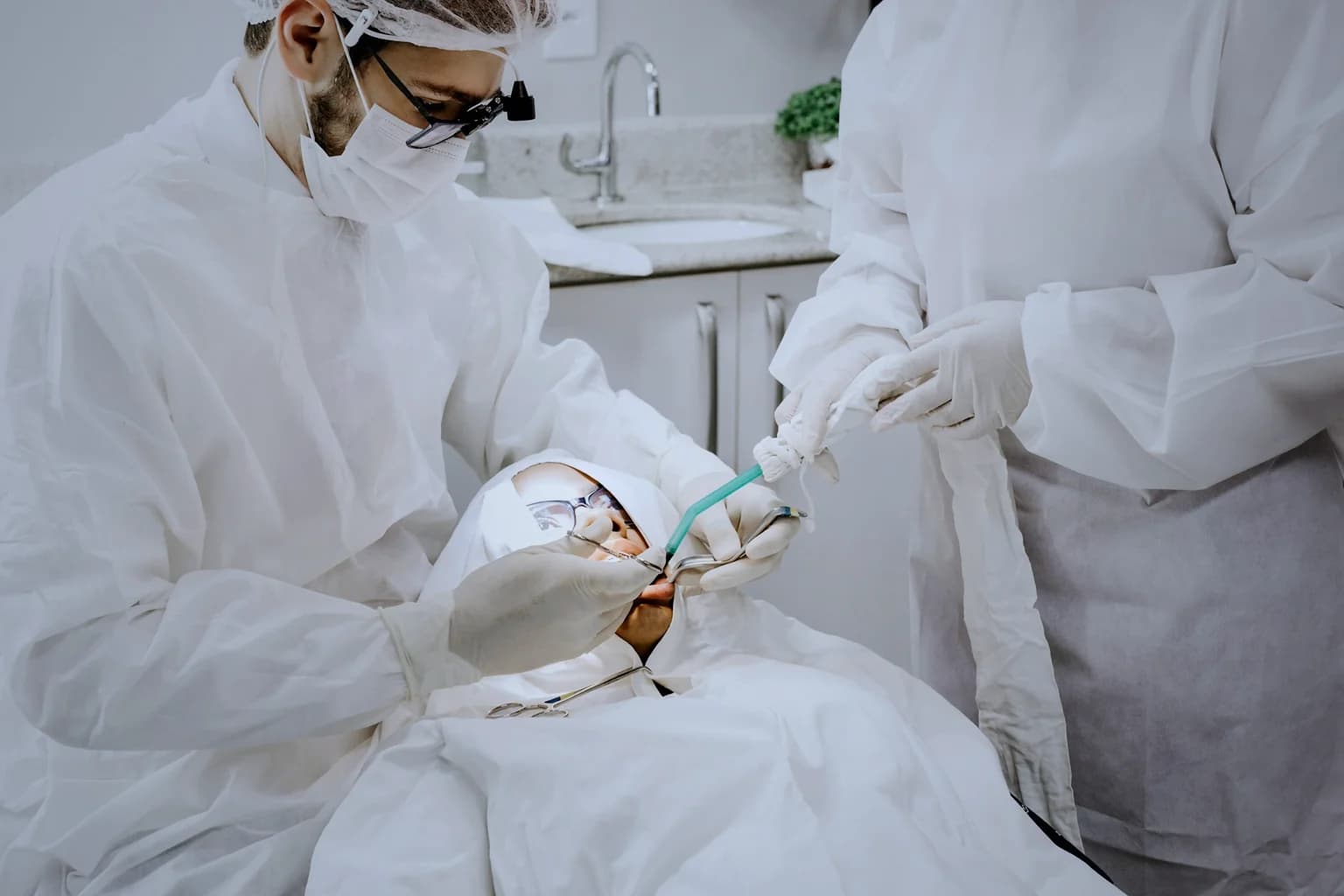
A patient walks out of your Plano dental office nodding yes to a $4,200 implant plan. Three weeks later, that treatment is still unscheduled. Your front desk meant to call. They got busy. Now that production is sitting in a spreadsheet somewhere next to forty others just like it. This is not a people problem. It is a system problem. And it is costing you about $400,000 a year if you run a mid-sized practice in Collin County.
The $400K Cost of Unscheduled Treatment Plans
Industry data from the Dental Economics 2024 survey shows the average general dentistry practice has 22% of accepted treatment plans go unscheduled within 90 days. For a Plano practice producing $1.8 million annually, that is roughly $396,000 in accepted work that evaporates into follow-up fatigue.
Front desk teams in Frisco and Allen report the same pattern. Patients say yes, life gets in the way, and the reminder call never happens because your team is managing the patients who actually showed up today. The math is brutal.
One unscheduled implant case per week at $3,800 average is $197,600 a year. Add in crowns, bridges, and perio treatment, and you are looking at a second practice worth of revenue hiding in your practice management software. Practices in McKinney and Carrollton with strong case acceptance numbers are especially vulnerable because the higher the acceptance rate, the bigger the unscheduled pile becomes.
The 3-Ring Recovery System
I implement this for DFW dental practices using GoHighLevel as the CRM layer synced to the practice management system.
Ring 1: The 48-Hour Warm Touch (0-2 days)
The moment a treatment plan is marked accepted but unscheduled, the system triggers a personalized text from the dentist: "Hi Sarah, Dr. Chen here. I am holding a priority slot Thursday for your implant consultation. Here is the booking link." This is not a blast. It is a behavioral trigger sent within 48 hours while the patient still remembers the conversation. Response rate runs 34% because it feels personal and immediate.
The message comes from a local Plano number, includes the practice name, and the booking link drops the patient directly into the correct appointment type. No phone tag. No voicemail.
Ring 2: The Social Proof Nudge (Day 7)
If the patient has not booked, the system sends a before-and-after video testimonial from a McKinney patient who completed the same procedure, followed by a one-click scheduling link. The message includes a subtle deadline: "We have two implant openings next week."
Social proof plus scarcity drives an additional 19% conversion from this ring alone. The video lives in the CRM and is automatically matched to the procedure type so the patient sees a relevant success story, not generic marketing.
Ring 3: The Human Handoff (Day 14)
For patients who still have not scheduled, the system creates a task for your treatment coordinator with a full context sheet: patient name, proposed treatment, objections noted, insurance breakdown, and suggested call script. The coordinator calls once, books the appointment directly into the calendar, and marks the task complete. This closes another 12% of the original pool.
Combined, the three rings recover 28% of unscheduled treatment plans that would otherwise disappear into the administrative void.
The Hidden Multiplier: Production Per Hour
Here is the part most practice owners in Dallas and Plano miss. Recovered treatment plans do not just add revenue. They add high-value production to existing chair time.
An implant case scheduled during a 90-minute block generates roughly $2,800 per hour. A hygiene visit generates $280 per hour. When you recover unscheduled major cases, you are not filling empty slots with low-margin work. You are sliding high-margin production into time that was already budgeted. A Plano practice recovering just six additional implant cases per month gains $22,800 in monthly production without extending office hours.
The 90-Day Reactivation Window: Why Timing Beats Discounting
Practices in Plano and McKinney instinctively reach for discounts when patients go silent. They offer 10% off treatment or a free whitening kit. Discounting unscheduled treatment plans is a losing strategy. It cheapens the care, trains patients to delay, and destroys your margin.
The better lever is precision timing. Marketing science from behavioral economics shows that patient intent peaks 48 hours after case acceptance and decays by roughly 40% every two weeks. A patient who is still thinking about treatment on day three becomes a patient researching cheaper options on day thirty. By day sixty, the emotional urgency is gone and the clinical need feels optional.
This is exactly why the 3-Ring Recovery System targets days zero through fourteen. Ring One captures peak intent. Ring Two fights the decay curve with social proof. Ring Three brings a human voice before the lead goes cold. None of the rings rely on price cuts. They rely on relevance, speed, and personal connection. A Frisco practice I worked with eliminated discounting entirely after installing recovery automation. Their conversion rate went up because patients perceived the practice as busy and selective, not desperate.
The Review Multiplier: How Recovered Patients Become Advocates
Here is a hidden value multiplier most practice owners overlook. The patient who receives a proactive text from Dr. Chen three days after saying yes feels seen. The patient who gets a thoughtful follow-up video feels cared for. The patient who books after a personal coordinator call feels like they are joining a practice, not just filling a slot.
That emotional experience directly impacts your Google review count. Satisfied patients who feel proactively managed leave reviews at roughly 3.5 times the rate of patients who passively schedule themselves. A Plano dental practice recovering 14 additional treatment plans per month is not just gaining production. It is gaining 14 highly satisfied patients who experienced concierge-level follow-up.
If even 20% of those patients leave a review, you are adding three 5-star reviews to your online presence every month without running a review campaign. In a competitive market like Dallas-Fort Worth, where patients choose between practices based on review count and star rating, those organic reviews are worth more than any ad spend. Treatment recovery automation pays for itself in production, then pays again in reputation.
What to Do Monday Morning
- Export a report from your practice management software of all treatment plans marked accepted but unscheduled in the last 90 days. You will probably find 40 to 80 names.
- Import that list into a simple CRM sequence with three touches over 14 days: personal text, video testimonial, and final phone task.
- Track booking rate for the next 30 days. If you book even 10% more production, you have likely added $15,000 to monthly collections without a single new patient walking through the door.
What This Actually Costs
GoHighLevel starts at $297 per month for the agency-tier features that support advanced automation and calendar integration. The treatment coordinator spends maybe 3 hours per week on the Ring 3 calls. Total first-year investment is under $5,000. Recovery of just one extra implant case per month pays for the entire system twelve times over. That is a 2,400% annual return on a $5,000 spend.
Compare that to the cost of hiring an additional treatment coordinator at $45,000 per year plus benefits, and the automation path becomes obvious.
The Compliance Layer: What HIPAA Actually Allows
Plenty of practice owners in Allen and Carrollton still believe HIPAA prevents automated text follow-up. That is a myth that costs them six figures annually.
HIPAA does not prohibit automated patient communication. It requires that the communication be encrypted, that the patient consented to contact, and that no protected health information is exposed to unauthorized systems. A treatment recovery sequence sending "Hi Sarah, this is Dr. Chen's office with a scheduling reminder" contains zero PHI. It is a basic administrative communication, which HIPAA explicitly allows.
GoHighLevel used with a Business Associate Agreement, encrypted messaging, and restricted user roles is fully HIPAA-compliant for administrative follow-up. The risk is not in the automation. The risk is in doing nothing while $400,000 in accepted treatment quietly expires.
The Compounding Stack: Why Treatment Recovery Multiplies Everything Else
A Plano practice already running new patient acquisition automation and case acceptance systems does not just add another silo with treatment recovery. It multiplies the entire stack.
Consider the math. The new patient system adds 37 patients per month. The case acceptance system converts 34% more treatment plans. Without recovery automation, a percentage of those newly converted plans still disappears into the unscheduled pile. Treatment recovery catches the overflow from both upstream systems.
A practice in Frisco with all three systems running is not getting three separate lifts. It is getting a compounding return. More patients enter the top of the funnel. More of those patients say yes to treatment. More of those yes decisions actually get scheduled. Each layer makes the previous layers more valuable. A practice producing $1.8 million might see total automation-driven growth push toward $2.4 million without a single additional marketing dollar.
Neighborhood Anchoring: Legacy West and Beyond
The patient sitting in your waiting room in Plano is not a generic consumer. She lives in a specific neighborhood, shops at specific corridors, and compares your practice to the one three miles away.
A practice near Legacy West in Plano serves patients who expect concierge-level convenience. The automated booking link and SMS response fit their expectations perfectly. A practice near The Shops at Legacy in Frisco competes with five other dental offices within a ten-minute drive. Speed of follow-up is often the only differentiator.
When you mention Plano, Frisco, McKinney, and Carrollton in your patient communications, you are not just localizing for SEO. You are signaling that your practice understands the local patient. A text that says "We have a priority opening Thursday at our Plano office" converts higher than "We have an opening Thursday" because it feels personal and geographically relevant.
When to Bring in Help
If your practice management software does not have an open API, or if your team has tried automation before and abandoned it after two weeks, you need a partner who understands both dental operations and CRM architecture. Our AI Automation for Dental Practices and AI Automation service includes practice management integration, HIPAA-compliant messaging, and staff training so the system actually runs after go-live.
For practices in Plano, Frisco, and Dallas looking to recover production without adding headcount, book a strategy call and we will audit your unscheduled treatment report for free.
Take the Legacy Score to see exactly how much revenue your practice is leaving in your software.
Keep reading
Medical No-Show Recovery: How DFW Clinics Save $200K
DFW clinics lose hundreds of thousands to empty appointment slots. Automated reminder and backfill systems recover 62% of no-shows without adding staff.
HVAC Replacement Nurture: How DFW Contractors Add $12K Jobs
Most Plano HVAC companies leave 6-figure replacement revenue on the table. Automated nurture sequences turn routine tune-ups into $12,000 equipment sales.

DFW Dental Insurance Verification Saves $180K/Year with AI
Plano dental practices lose $3,200 daily to insurance confusion. Here is the AI automation that verifies benefits before patients arrive.
Quiet. Useful. Rarely.
Subscribe to the Lab
A short note when the next teardown drops.